Series 1 · Primary
Yoga Chikitsā
Yoga therapy
Build the foundation
Breath-linked movement, forward folds, twists and seated strength. Primary names the first curriculum; it does not mean every posture is easy.
Open illustrated Primary guide ↗ House of AnandaMovement · Stillness · Wisdom · Journey
Movement / Ashtanga / Study atlas
Explore Yoga Chikitsā, Nāḍī Śodhana and the advanced series. Follow the maps, discover the terminology, and find a posture by Sanskrit or English name.
Accent-free spelling works: “nadi” finds “Nāḍī”. Series matches appear below; posture results are in the reference index.
01 / The landscape
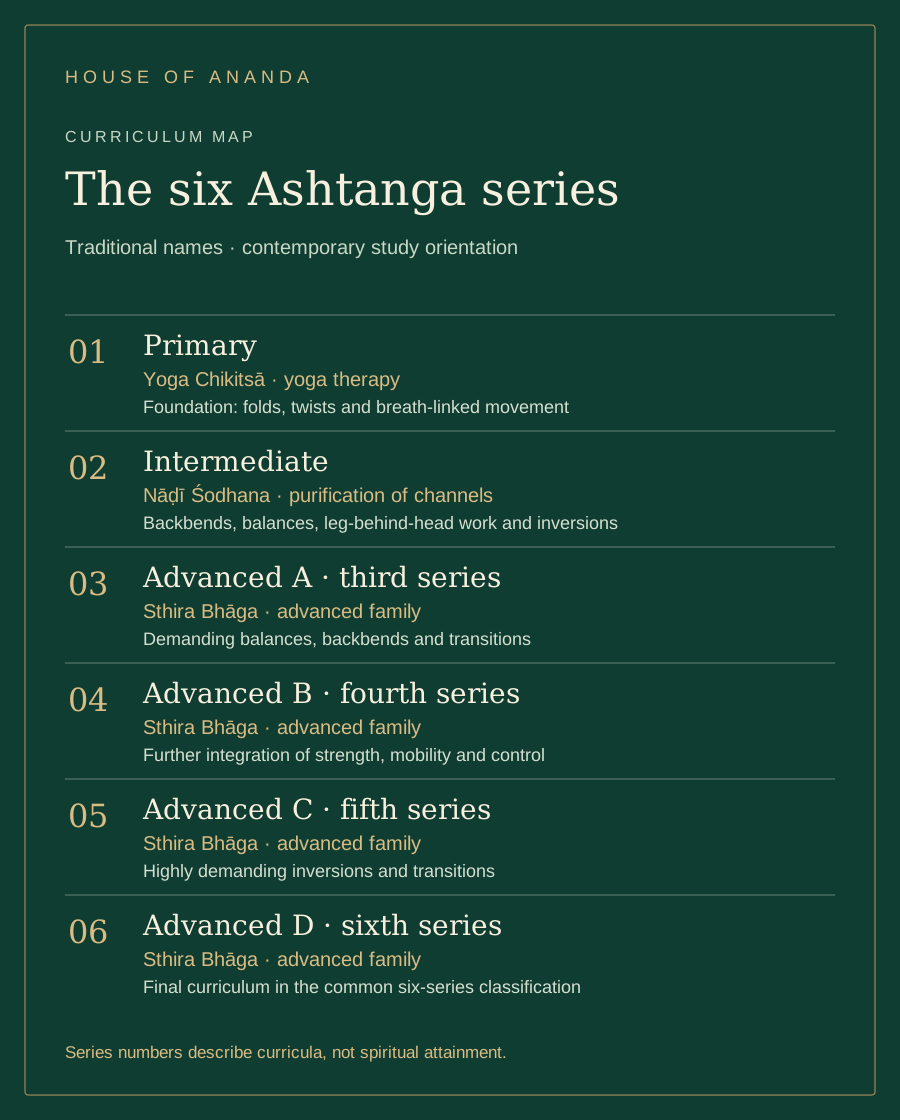
Primary and Intermediate have individual names. Advanced A–D share the name Sthira Bhāga; translations vary across teachers.
Series 1 · Primary
Yoga therapy
Breath-linked movement, forward folds, twists and seated strength. Primary names the first curriculum; it does not mean every posture is easy.
Open illustrated Primary guide ↗Series 2 · Intermediate
Purification of channels
Backbends, deeper twists, leg-behind-head forms, arm balances and inversions build on the foundation of Primary.
Explore Intermediate index ↗Series 3 · Advanced A
Advanced family · steadiness and strength
The third series combines demanding balances, deep backbends and complex transitions. Study with a teacher experienced in this curriculum.
See Advanced A reference charts ↗Series 4 · Advanced B
Advanced family · steadiness and strength
The fourth series extends the demands on mobility, balance and movement control. Its posture work is an individual, teacher-led undertaking.
Read curriculum sources ↗Series 5 · Advanced C
Advanced family · steadiness and strength
The fifth series includes highly demanding inversions, balances and transitions. This atlas gives orientation, not a self-taught practice prescription.
Read curriculum sources ↗Series 6 · Advanced D
Advanced family · steadiness and strength
The final series in the common six-series classification. A higher series number describes a physical curriculum, not a person’s spiritual attainment.
Read curriculum sources ↗02 / Original House of Ananda charts
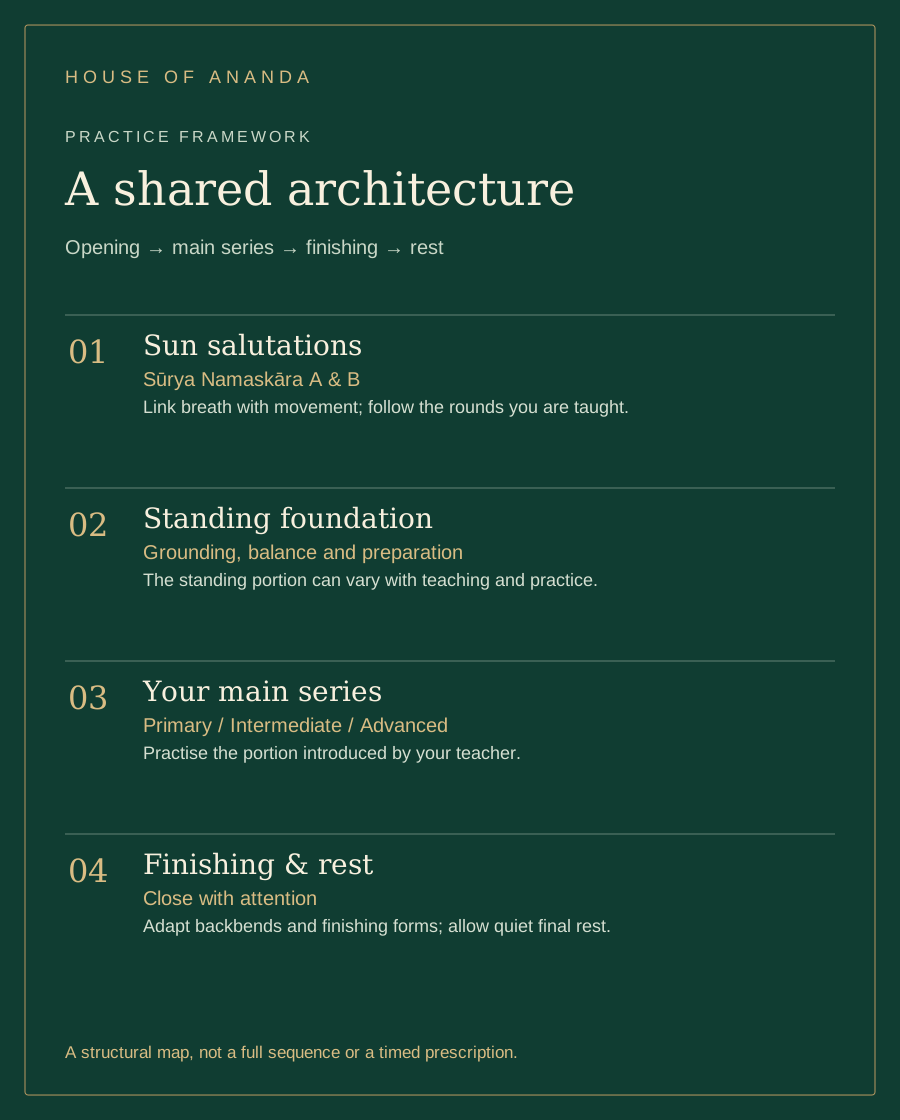
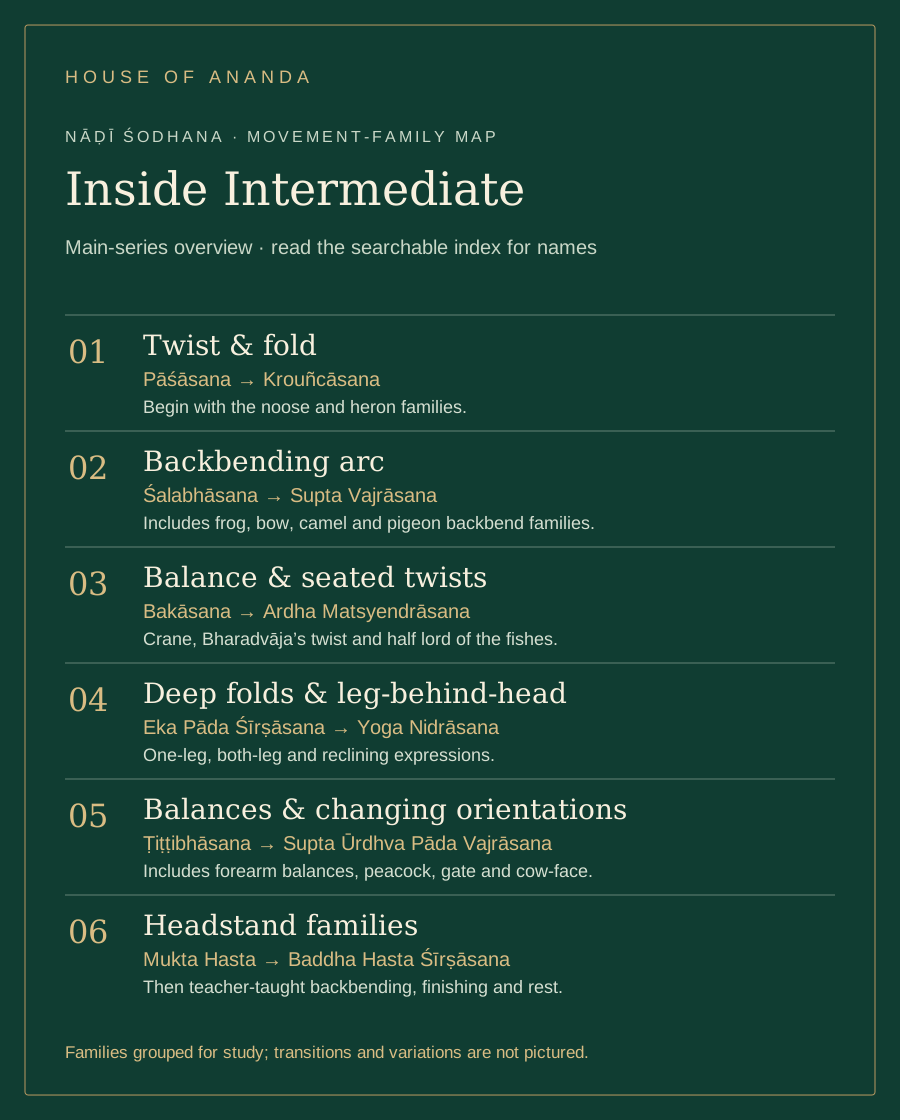
Three original study graphics, designed for reading, saving and printing. These show the structure of practice; they are not pose-execution instructions.
A shared framework
Sūrya Namaskāra A and B establish breath-linked movement.
Standing forms prepare the practice; the portion taught can vary.
The sequence, or portion of it, introduced by your teacher.
Backbending, finishing forms and quiet rest, adapted to the individual.
Intermediate is often introduced a few postures at a time after Primary, before eventually becoming a separate practice. This is a teaching pattern, not a fixed calendar.
03 / Searchable posture reference
Primary entries link to the existing illustrated guide. Intermediate entries show the main posture families in Ronald Steiner’s reference order. Advanced A–D are covered as curriculum overviews above, not complete practice charts.
Intermediate family numbers are study positions, not vinyāsa counts. The list does not replace opening and finishing sequences or teacher-taught transitions.
117 posture references match your filters
primary · Sun Salutation A
Equal standing
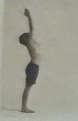
primary · Sun Salutation A
Raised arms
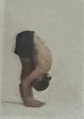
primary · Sun Salutation A
Standing forward fold
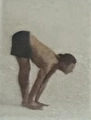
primary · Sun Salutation A
Half forward fold / half lift
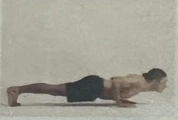
primary · Sun Salutation A
Four-limbed staff / low plank
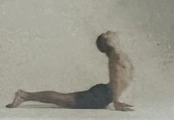
primary · Sun Salutation A
Upward-facing dog
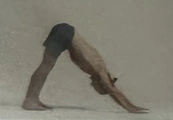
primary · Sun Salutation A
Downward-facing dog
primary · Sun Salutation B
Equal standing
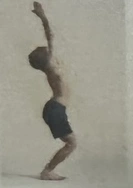
primary · Sun Salutation B
Fierce pose / chair
primary · Sun Salutation B
Standing forward fold
primary · Sun Salutation B
Half forward fold / half lift
primary · Sun Salutation B
Four-limbed staff / low plank
primary · Sun Salutation B
Upward-facing dog
primary · Sun Salutation B
Downward-facing dog
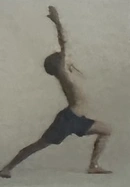
primary · Sun Salutation B
Warrior I
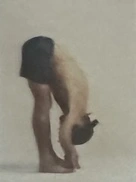
primary · Standing sequence
Big-toe forward fold
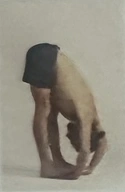
primary · Standing sequence
Hand-under-foot fold
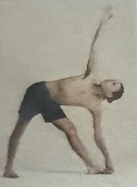
primary · Standing sequence
Extended triangle
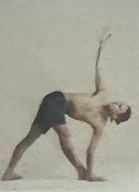
primary · Standing sequence
Revolved triangle
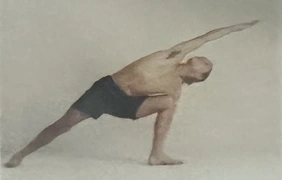
primary · Standing sequence
Extended side angle
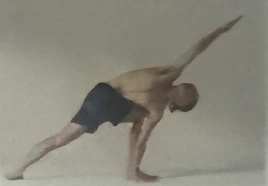
primary · Standing sequence
Revolved side angle
parivṛtta: revolved; pārśva: side; koṇa: angle
Open illustrated sequence & practice notes ↗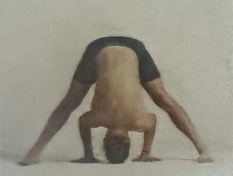
primary · Standing sequence
Wide-legged fold · hands down
prasārita: spread; pāda: foot; uttāna: stretch
Open illustrated sequence & practice notes ↗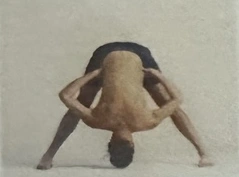
primary · Standing sequence
Wide-legged fold · hands on hips
prasārita: spread; pāda: foot; uttāna: stretch
Open illustrated sequence & practice notes ↗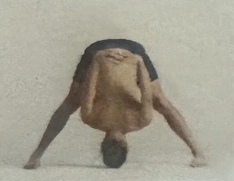
primary · Standing sequence
Wide-legged fold · hands clasped
prasārita: spread; pāda: foot; uttāna: stretch
Open illustrated sequence & practice notes ↗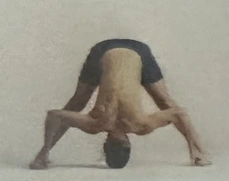
primary · Standing sequence
Wide-legged fold · toe hold
prasārita: spread; pāda: foot; uttāna: stretch
Open illustrated sequence & practice notes ↗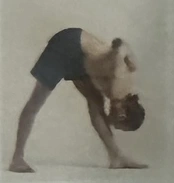
primary · Standing sequence
Intense side stretch / pyramid
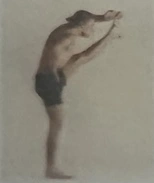
primary · Standing sequence
Extended hand-to-big-toe · front
utthita: extended; hasta: hand; pāda: foot; aṅguṣṭha: big toe
Open illustrated sequence & practice notes ↗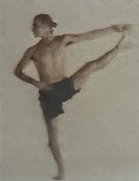
primary · Standing sequence
Extended hand-to-big-toe · side
Also called Utthita Pārśvasahita: extended to the side
Open illustrated sequence & practice notes ↗primary · Standing sequence
Extended hand-to-big-toe · return
The returning front phase; lettering varies by school
Open illustrated sequence & practice notes ↗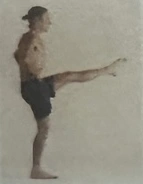
primary · Standing sequence
Extended leg balance · hands free
primary · Standing sequence
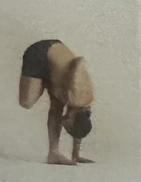
Half-bound lotus standing fold
ardha: half; baddha: bound; padma: lotus; uttāna: stretch
Open illustrated sequence & practice notes ↗primary · Standing sequence
Equal standing
primary · Standing sequence
Fierce pose / chair
primary · Standing sequence
Standing forward fold
primary · Standing sequence
Half forward fold / half lift
primary · Standing sequence
Four-limbed staff / low plank
primary · Standing sequence
Upward-facing dog
primary · Standing sequence
Downward-facing dog
primary · Standing sequence
Warrior I
primary · Standing sequence
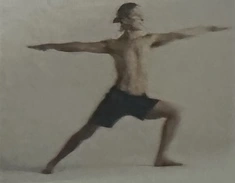
Warrior II
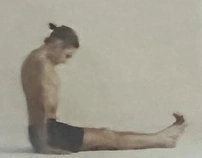
primary · Seated sequence · part one
Staff pose
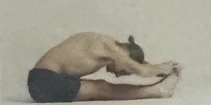
primary · Seated sequence · part one
Seated forward fold · big toes
paścima: west / back of the body; uttāna: stretch
Open illustrated sequence & practice notes ↗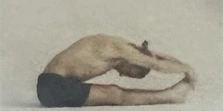
primary · Seated sequence · part one
Seated forward fold · feet
paścima: west / back of the body; uttāna: stretch
Open illustrated sequence & practice notes ↗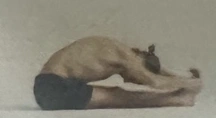
primary · Seated sequence · part one
Seated forward fold · wrist clasp
paścima: west / back of the body; uttāna: stretch
Open illustrated sequence & practice notes ↗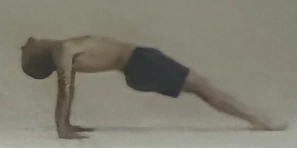
primary · Seated sequence · part one
Intense front stretch / reverse plank
pūrva: east / front of the body; uttāna: stretch
Open illustrated sequence & practice notes ↗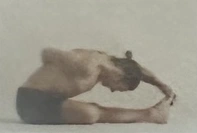
primary · Seated sequence · part one
Half-bound lotus seated fold
ardha: half; baddha: bound; padma: lotus; paścima: back
Open illustrated sequence & practice notes ↗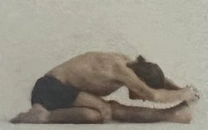
primary · Seated sequence · part one
Three-limbed one-leg forward fold
tri-aṅga: three limbs; mukha: facing; eka-pāda: one leg
Open illustrated sequence & practice notes ↗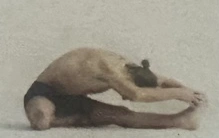
primary · Seated sequence · part one
Head-to-knee · sole to inner thigh
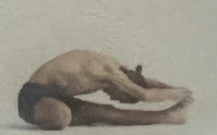
primary · Seated sequence · part one
Head-to-knee · heel beneath seat
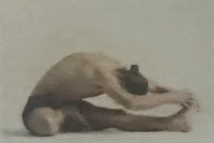
primary · Seated sequence · part one
Head-to-knee · rotated foot
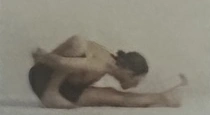
primary · Seated sequence · part one
Sage Marīci · bound forward fold
Marīci: the sage whose name means ray of light
Open illustrated sequence & practice notes ↗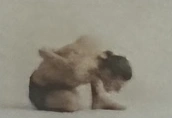
primary · Seated sequence · part one
Sage Marīci · half-lotus fold
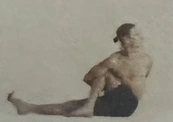
primary · Seated sequence · part one
Sage Marīci · seated twist
primary · Seated sequence · part one
Sage Marīci · half-lotus twist
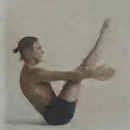
primary · Seated sequence · part one
Boat pose
primary · Seated sequence · part one
Arm-pressure balance · entry
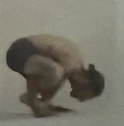
primary · Seated sequence · part one
Arm-pressure balance · folded phase
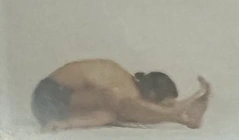
primary · Seated sequence · part two
Tortoise
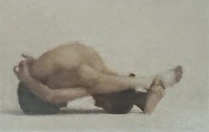
primary · Seated sequence · part two
Sleeping tortoise
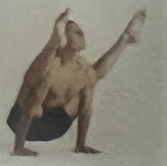
primary · Seated sequence · part two
Firefly · transitional exit
ṭiṭṭibha: traditionally rendered firefly in pose naming
Open illustrated sequence & practice notes ↗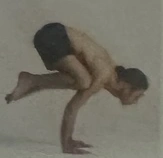
primary · Seated sequence · part two
Crane / bent-arm crow · exit
primary · Seated sequence · part two
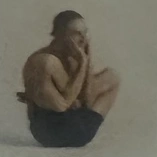
Embryo in the womb
primary · Seated sequence · part two
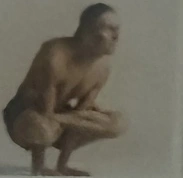
Rooster
primary · Seated sequence · part two
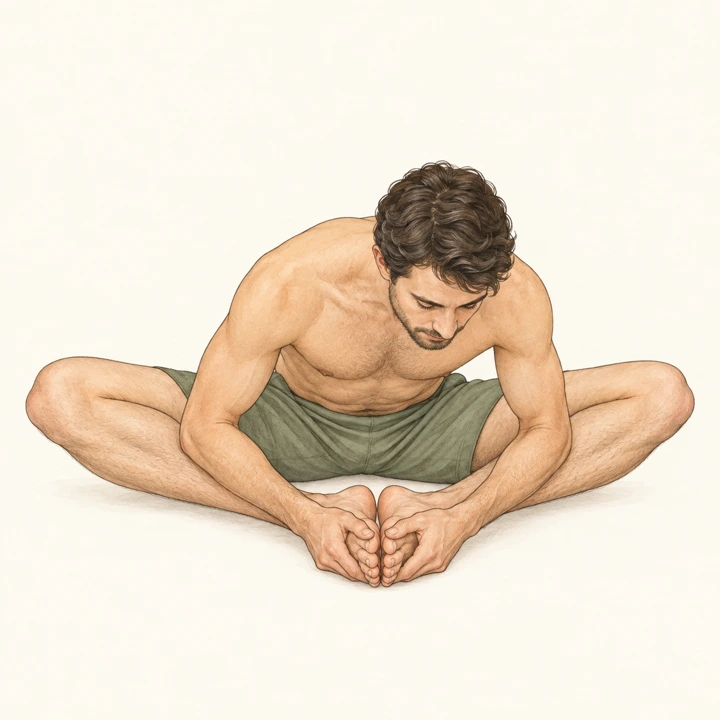
Bound angle · long-spine fold
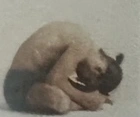
primary · Seated sequence · part two
Bound angle · rounded fold
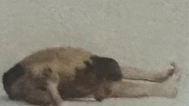
primary · Seated sequence · part two
Seated wide angle · forward fold
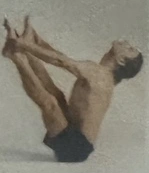
primary · Seated sequence · part two
Seated wide angle · balance
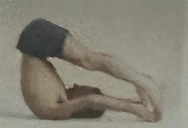
primary · Seated sequence · part two
Reclining wide angle
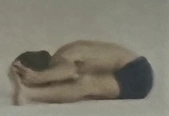
primary · Seated sequence · part two
Reclining wide angle · roll and fold
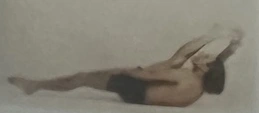
primary · Seated sequence · part two
Reclining hand-to-big-toe · front
supta: reclining; pāda: foot; aṅguṣṭha: big toe
Open illustrated sequence & practice notes ↗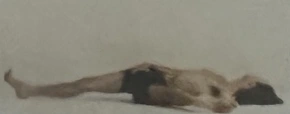
primary · Seated sequence · part two
Reclining hand-to-big-toe · side
Also called Supta Pārśvasahita: reclining to the side
Open illustrated sequence & practice notes ↗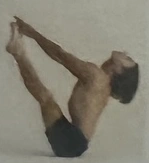
primary · Seated sequence · part two
Both big-toe balance
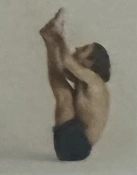
primary · Seated sequence · part two
Upward-facing seated forward stretch
ūrdhva mukha: upward-facing; paścima: back; uttāna: stretch
Open illustrated sequence & practice notes ↗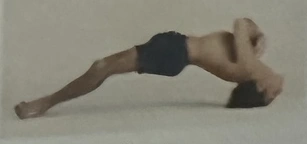
primary · Seated sequence · part two
Bridge · traditional Ashtanga form
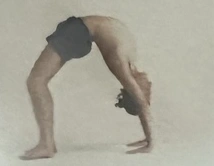
primary · Backbends & finishing
Upward bow / wheel
primary · Backbends & finishing
Seated forward fold · wrist clasp
paścima: west / back of the body; uttāna: stretch
Open illustrated sequence & practice notes ↗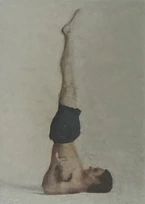
primary · Backbends & finishing
Supported shoulderstand
sālamba: with support; sarva-aṅga: whole body
Open illustrated sequence & practice notes ↗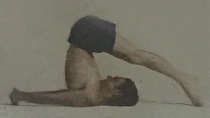
primary · Backbends & finishing
Plough
primary · Backbends & finishing
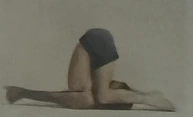
Ear-pressure pose
primary · Backbends & finishing
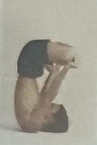
Upward lotus
primary · Backbends & finishing
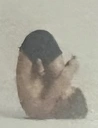
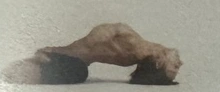
Embryo / compact pose in inversion
primary · Backbends & finishing
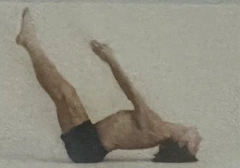
Fish
primary · Backbends & finishing
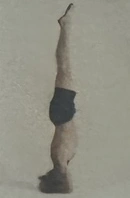
Raised-leg stretch
primary · Backbends & finishing
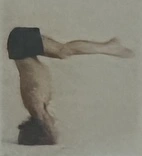
Headstand
primary · Backbends & finishing
Upward staff · half headstand
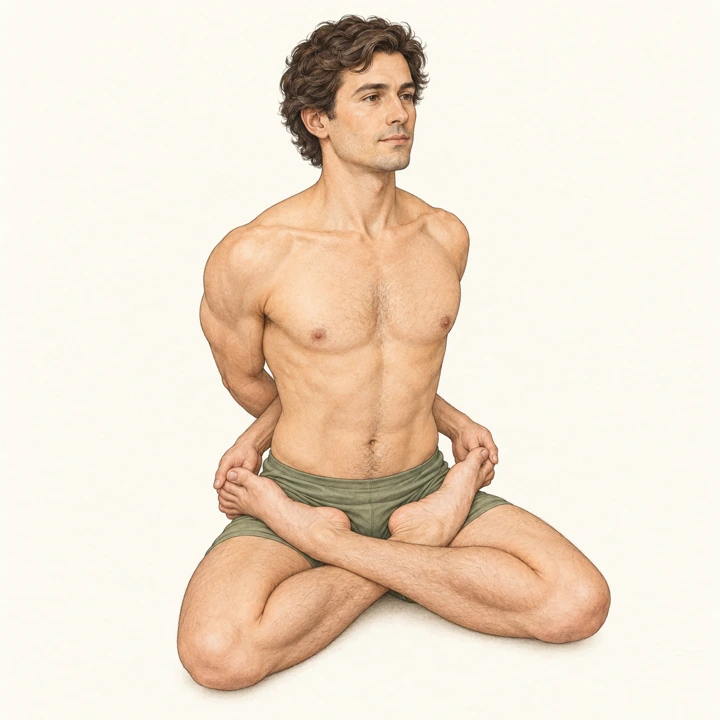
primary · Backbends & finishing
Bound lotus
primary · Backbends & finishing
Seal of yoga · seated bow
primary · Backbends & finishing
Lotus seat
primary · Backbends & finishing
Uprooting / lifted seat
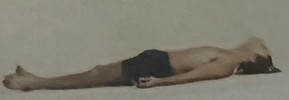
primary · Backbends & finishing
Corpse pose / final rest
intermediate · Twist
Noose pose
Intermediate main-series family 1. Letters group variations; practise both sides where applicable, as taught. This index omits detailed entries, exits and breath counts.
See the movement-family chart ↗intermediate · Forward fold
Heron pose
Intermediate main-series family 2. Letters group variations; practise both sides where applicable, as taught. This index omits detailed entries, exits and breath counts.
See the movement-family chart ↗intermediate · Backbend
Locust
Intermediate main-series family 3. Letters group variations; practise both sides where applicable, as taught. This index omits detailed entries, exits and breath counts.
See the movement-family chart ↗intermediate · Backbend
Frog
Intermediate main-series family 4. Letters group variations; practise both sides where applicable, as taught. This index omits detailed entries, exits and breath counts.
See the movement-family chart ↗intermediate · Backbend
Bow
Intermediate main-series family 5. Letters group variations; practise both sides where applicable, as taught. This index omits detailed entries, exits and breath counts.
See the movement-family chart ↗intermediate · Backbend
Side bow
Intermediate main-series family 6. Letters group variations; practise both sides where applicable, as taught. This index omits detailed entries, exits and breath counts.
See the movement-family chart ↗intermediate · Backbend
Camel
Intermediate main-series family 7. Letters group variations; practise both sides where applicable, as taught. This index omits detailed entries, exits and breath counts.
See the movement-family chart ↗intermediate · Backbend
Little thunderbolt
Intermediate main-series family 8. Letters group variations; practise both sides where applicable, as taught. This index omits detailed entries, exits and breath counts.
See the movement-family chart ↗intermediate · Backbend
Pigeon backbend
Intermediate main-series family 9. Letters group variations; practise both sides where applicable, as taught. This index omits detailed entries, exits and breath counts.
See the movement-family chart ↗intermediate · Backbend
Reclining thunderbolt
Intermediate main-series family 10. Letters group variations; practise both sides where applicable, as taught. This index omits detailed entries, exits and breath counts.
See the movement-family chart ↗intermediate · Balance
Crane
Intermediate main-series family 11. Letters group variations; practise both sides where applicable, as taught. This index omits detailed entries, exits and breath counts.
See the movement-family chart ↗intermediate · Twist
Bharadvāja’s twist
Intermediate main-series family 12. Letters group variations; practise both sides where applicable, as taught. This index omits detailed entries, exits and breath counts.
See the movement-family chart ↗intermediate · Twist
Half lord of the fishes
Intermediate main-series family 13. Letters group variations; practise both sides where applicable, as taught. This index omits detailed entries, exits and breath counts.
See the movement-family chart ↗intermediate · Leg behind head
One leg behind the head
Intermediate main-series family 14. Letters group variations; practise both sides where applicable, as taught. This index omits detailed entries, exits and breath counts.
See the movement-family chart ↗intermediate · Leg behind head
Both legs behind the head
Intermediate main-series family 15. Letters group variations; practise both sides where applicable, as taught. This index omits detailed entries, exits and breath counts.
See the movement-family chart ↗intermediate · Leg behind head
Yogic sleep pose
Intermediate main-series family 16. Letters group variations; practise both sides where applicable, as taught. This index omits detailed entries, exits and breath counts.
See the movement-family chart ↗intermediate · Balance
Firefly family
Intermediate main-series family 17. Letters group variations; practise both sides where applicable, as taught. This index omits detailed entries, exits and breath counts.
See the movement-family chart ↗intermediate · Inversion
Feathered peacock / forearm balance
Intermediate main-series family 18. Letters group variations; practise both sides where applicable, as taught. This index omits detailed entries, exits and breath counts.
See the movement-family chart ↗intermediate · Inversion
Duck / lotus forearm balance
Intermediate main-series family 19. Letters group variations; practise both sides where applicable, as taught. This index omits detailed entries, exits and breath counts.
See the movement-family chart ↗intermediate · Balance
Peacock
Intermediate main-series family 20. Letters group variations; practise both sides where applicable, as taught. This index omits detailed entries, exits and breath counts.
See the movement-family chart ↗intermediate · Balance
Crocodile
Intermediate main-series family 21. Letters group variations; practise both sides where applicable, as taught. This index omits detailed entries, exits and breath counts.
See the movement-family chart ↗intermediate · Balance
Horse-face pose
Intermediate main-series family 22. Letters group variations; practise both sides where applicable, as taught. This index omits detailed entries, exits and breath counts.
See the movement-family chart ↗intermediate · Side bend
Gate
Intermediate main-series family 23. Letters group variations; practise both sides where applicable, as taught. This index omits detailed entries, exits and breath counts.
See the movement-family chart ↗intermediate · Seated
Cow-face pose
Intermediate main-series family 24. Letters group variations; practise both sides where applicable, as taught. This index omits detailed entries, exits and breath counts.
See the movement-family chart ↗intermediate · Seated
Reclining raised-foot thunderbolt
Intermediate main-series family 25. Letters group variations; practise both sides where applicable, as taught. This index omits detailed entries, exits and breath counts.
See the movement-family chart ↗intermediate · Inversion
Free-hand headstand family
Intermediate main-series family 26. Letters group variations; practise both sides where applicable, as taught. This index omits detailed entries, exits and breath counts.
See the movement-family chart ↗intermediate · Inversion
Bound-hand headstand family
Intermediate main-series family 27. Letters group variations; practise both sides where applicable, as taught. This index omits detailed entries, exits and breath counts.
See the movement-family chart ↗04 / Same words, different practices
A sequence of whole-body postures in Ashtanga Vinyasa. “Purification of channels” expresses a traditional subtle-body understanding of practice.
Nāḍīs belong to that philosophical framework; they should not be equated directly with anatomical nerves or blood vessels.
A breathing practice also called Nāḍī Śodhana. It is a separate technique, not another name for doing Intermediate postures.
Explore the breathing room ↗Similarly, “yoga therapy” is the traditional name of Primary. Neither title demonstrates that a sequence detoxifies organs, cleans nerves or treats a particular illness.
Progression
Primary can be demanding. Time spent practising is only part of readiness: breath, movement control, attention, recovery and individual anatomy also matter. David Keil’s discussion supports assessing the person rather than using a universal deadline.
Deep backbends, lotus, headstands and leg-behind-head work need individual instruction. The chart is a study companion, not a reason to push through pain.
Philosophy
These are the posture curricula of modern Ashtanga Vinyasa. Patañjali’s eight limbs describe a broader path including ethics, breath, sense withdrawal, concentration and meditation.
Changing series is not a measure of spiritual progress.
Read Patañjali’s Yoga Sūtras ↗Research & further study · 17 September 2026
Original House of Ananda layouts and explanatory text; sequence nomenclature checked against the resources below. Primary photographs and illustrations are reused from our existing atlas. This new atlas has not yet had a named teacher review.
Different teachers and historical charts use different groupings, spellings and transitions. This page uses the common six-series classification. Traditional energetic explanations are presented as tradition, not clinical findings.