House of AnandaMovement · Stillness · Wisdom · Journey

Food & nourishment

Menus with
purpose.

Flexible programmes for wellbeing, sustainable weight loss, muscle and strength, and active living - with pescatarian, vegetarian and vegan pathways.

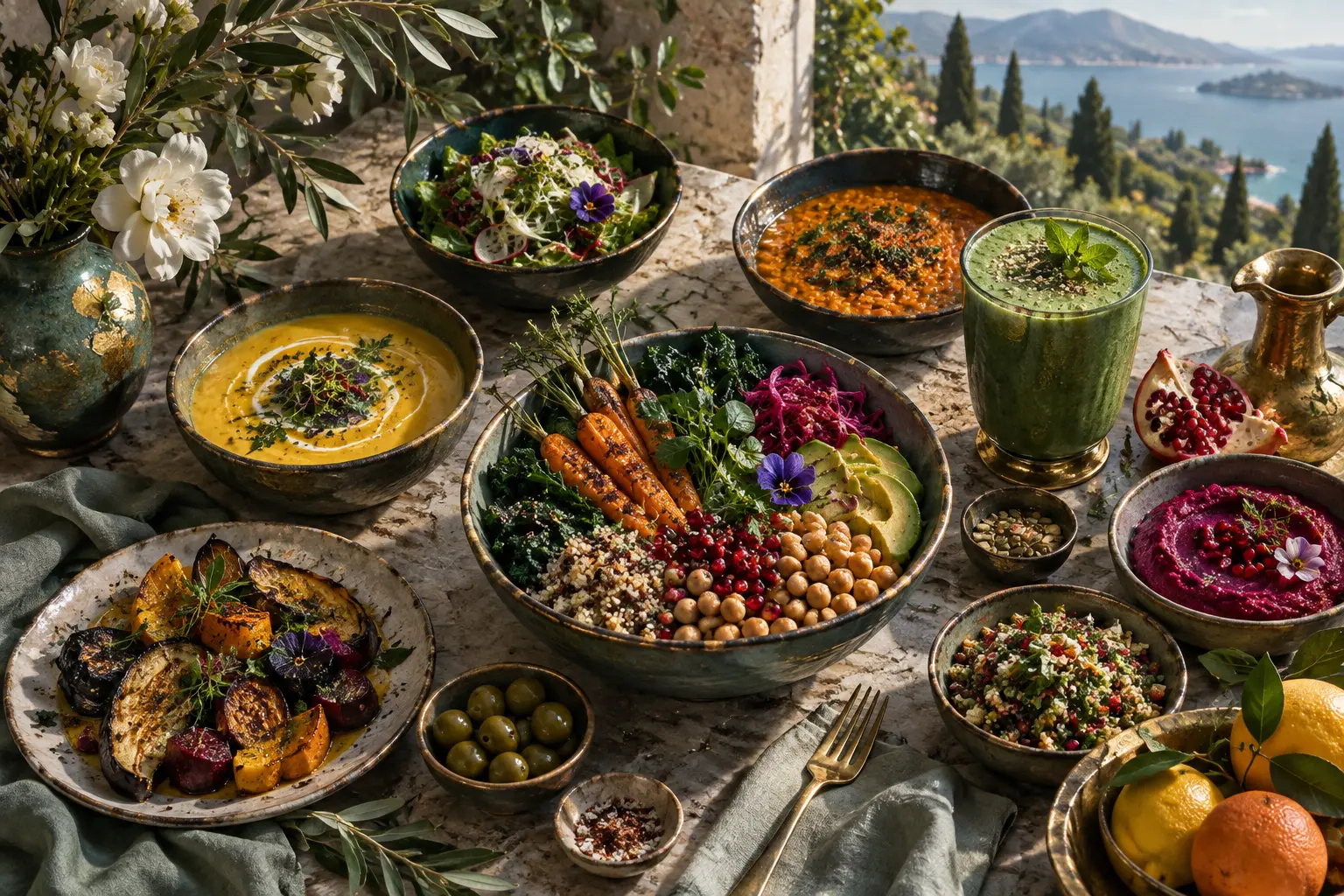
An abundant plant-led table with colourful vegetables, grains, pulses, herbs and a green smoothie
Original House of Ananda artwork · nourishment as generosity and practical care.

New · wellbeing by need

Bring the whole
picture together.

Explore evidence-led food patterns for everyday wellbeing, fatty liver, heart health, bones and muscle—connected with movement, breathing, meditation, traditional hand practices and clear safety guidance.

Open Nourish by Need ↗

Ayurveda · treatment library

Tradition with
clear distinctions.

Explore five elements, three doshas, food and daily rhythm, body treatments, herbal formulations and Panchakarma—through diagrams, definitions, history, evidence and safety.

Enter the Ayurveda learning centre ↗

Nourish studio

Cook with the
season.

Choose what suits today, explore a seven-day retreat-inspired rhythm, then print a simple recipe card or shopping list.

Seven-day programme

A gentle retreat week

A plant-led framework with pescatarian and vegetarian swaps. Portions and snacks should follow your own needs.

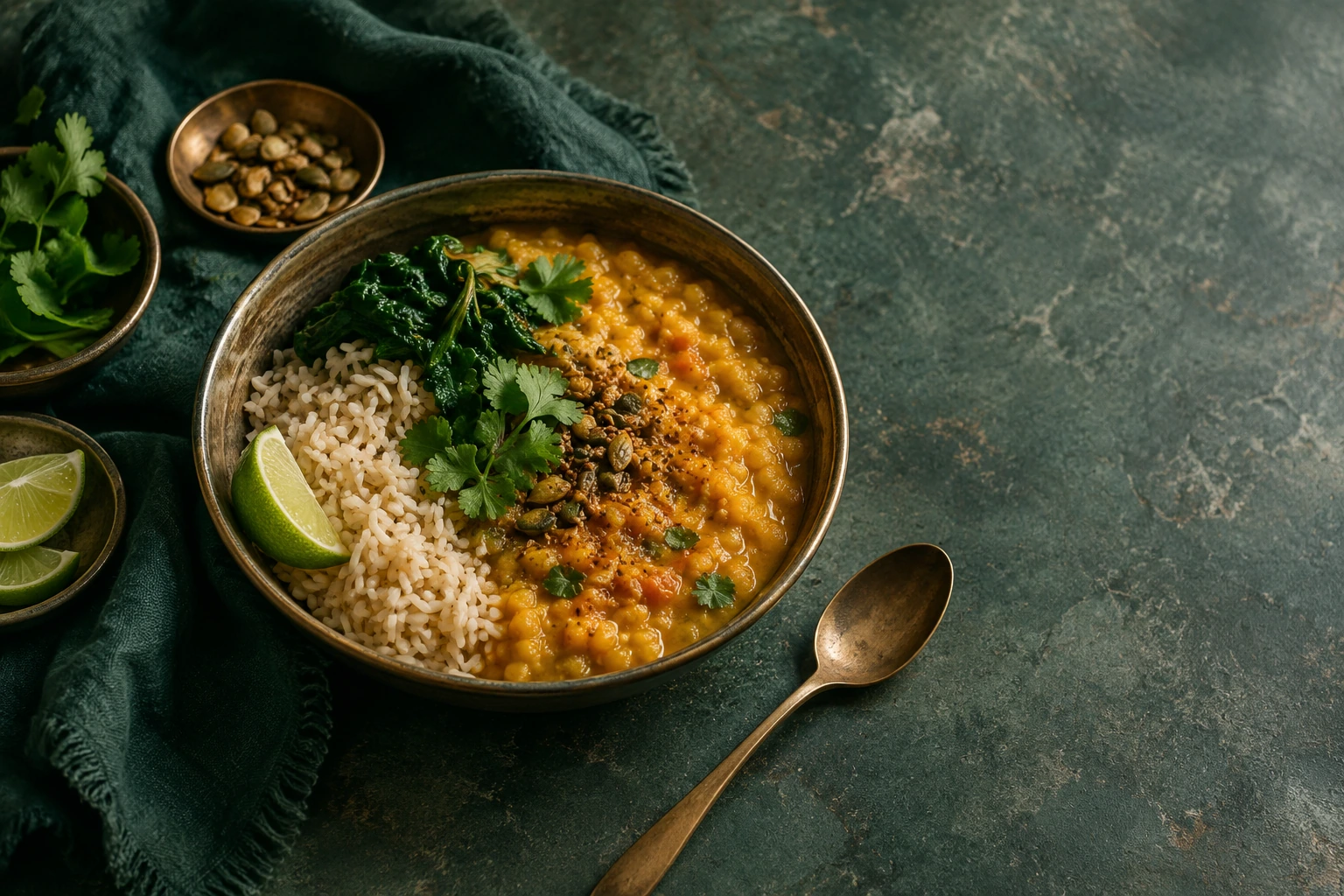
  1. Day 1Cardamom oats · Pea soup · Saffron dhal
  2. Day 2Yoghurt fruit bowl · Tofu noodles · Roast garden platter
  3. Day 3Tofu scramble · Chickpea mezze · Coconut stew
  4. Day 4Berry pancakes · Lentil soup · Miso salmon or tofu
  5. Day 5Chia pot · Grain bowl · Vegetable curry
  6. Day 6Retreat breakfast thali · Leftover bowl · Shared mezze
  7. Day 7Slow brunch · Seasonal soup · Sunday traybake
Ayurvedic-inspired, not Ayurvedic treatment.

Some recipes take culinary inspiration from Indian food traditions and seasonal eating. They do not diagnose constitution, balance a dosha, or replace individual medical or dietetic advice. Check every ingredient for allergies and adapt for pregnancy, health conditions, medication and eating-disorder recovery with an appropriate professional.

Four programme frameworks

Structure without
rigidity.

Energy figures are planning estimates, not personal prescriptions. Needs change with body size, age, health, training and goals.

01

Balanced wellbeing

1,800-2,200 kcal · 85-120g protein

A flexible maintenance pattern built around plants, protein, fibre and enjoyable food.

  1. Day 1Oats · rainbow grain bowl · dhal
  2. Day 2Eggs or tofu · mezze plate · traybake
  3. Day 3Yoghurt bowl · soup · salmon or tempeh
  4. Day 4Chia pot · sushi bowl · chickpea curry
  5. Day 5Toast stack · falafel salad · pasta primavera
  6. Day 6Smoothie bowl · tacos · coconut stew
  7. Day 7Brunch plate · leftovers · Sunday roast bowl
02

Sustainable weight loss

1,500-1,900 kcal · 90-125g protein

Higher-volume vegetables, protein at each meal and measured energy-dense extras. Individual needs vary.

  1. Day 1Berry oats · lentil soup · miso fish or tofu
  2. Day 2Protein yoghurt · chopped salad · chilli
  3. Day 3Green smoothie · bean wrap · traybake
  4. Day 4Egg or tofu scramble · grain salad · curry
  5. Day 5Overnight oats · sushi bowl · fajitas
  6. Day 6Fruit bowl · soup · high-protein pasta
  7. Day 7Brunch bowl · mezze · roast vegetables
03

Muscle & strength

2,200-2,800 kcal · 120-170g protein

Regular protein-rich meals, training fuel and recovery carbohydrates, adjusted to body size and workload.

  1. Day 1Power oats · salmon or tofu rice · chilli
  2. Day 2Eggs or tempeh · pasta bowl · curry
  3. Day 3Recovery shake · burrito bowl · traybake
  4. Day 4Protein pancakes · mezze · lentil pasta
  5. Day 5Yoghurt bowl · noodle bowl · fish or tofu tacos
  6. Day 6Oats · dhal and rice · burger bowl
  7. Day 7Brunch · leftovers · roast plus recovery shake
04

Active energy

2,000-2,500 kcal · 100-145g protein

Carbohydrate availability around active days with steady protein, hydration and restorative meals.

  1. Day 1Banana oats · noodle bowl · teriyaki plate
  2. Day 2Toast and eggs or tofu · grain bowl · curry
  3. Day 3Smoothie · pasta salad · chilli
  4. Day 4Chia fruit pot · sushi bowl · traybake
  5. Day 5Porridge · falafel wrap · dhal
  6. Day 6Pancakes · tacos · coconut noodles
  7. Day 7Brunch bowl · soup and bread · roast plate

Shakes & smoothies

Ten blends for
fuel and recovery.

Whole meals should do most of the work. These blends offer convenient options; liquid calories can be easy to underestimate during weight loss.

Green foundation

240 kcal · 20g P

Spinach, mango, lime, fortified soya milk and pea protein.

Allergens: Soya

Berry recovery

330 kcal · 30g P

Mixed berries, banana, Greek or soya yoghurt, oats and protein.

Allergens: Milk* / soya*, gluten*

Chocolate strength

460 kcal · 38g P

Banana, cocoa, milk or soya, oats, peanut butter and protein.

Allergens: Peanuts, milk* / soya*, gluten*

Tropical hydration

210 kcal · 8g P

Pineapple, mango, coconut water, lime and fortified yoghurt.

Allergens: Milk* / soya*

Coffee breakfast shake

420 kcal · 32g P

Decaf coffee, banana, oats, milk or soya, chia and protein.

Allergens: Milk* / soya*, gluten*

Cherry almond evening

300 kcal · 22g P

Cherries, yoghurt, almond butter, cinnamon and water.

Allergens: Nuts, milk* / soya*

Ginger pear digestion

230 kcal · 19g P

Pear, ginger, spinach, yoghurt and oat drink.

Allergens: Milk* / soya*, gluten*

Date tahini builder

510 kcal · 34g P

Dates, tahini, banana, soya milk, oats and vanilla protein.

Allergens: Sesame, soya, gluten*

Cucumber mint cooler

170 kcal · 15g P

Cucumber, kiwi, mint, lime and unsweetened soya yoghurt.

Allergens: Soya

Carrot cake smoothie

360 kcal · 25g P

Carrot, banana, oats, cinnamon, yoghurt and walnuts.

Allergens: Nuts, milk* / soya*, gluten*

UK allergen framework

Fourteen allergens.
No assumptions.

Ingredient labels, recipes and manufacturing environments change. “Free-from” substitutions must be checked every time, and shared kitchens cannot promise absence of cross-contact without suitable controls.

Use these plans safely

General guidance,
not clinical treatment.

Do not use these programmes as treatment for diabetes, kidney disease, gastrointestinal disease, pregnancy, an eating disorder, severe allergy or another medical condition without individual advice from a registered dietitian or appropriate clinician. Estimated nutrition varies by brand, recipe and portion.

For weight loss, favour gradual sustainable change. For strength goals, food supports progressive training and recovery; more protein alone does not build muscle.